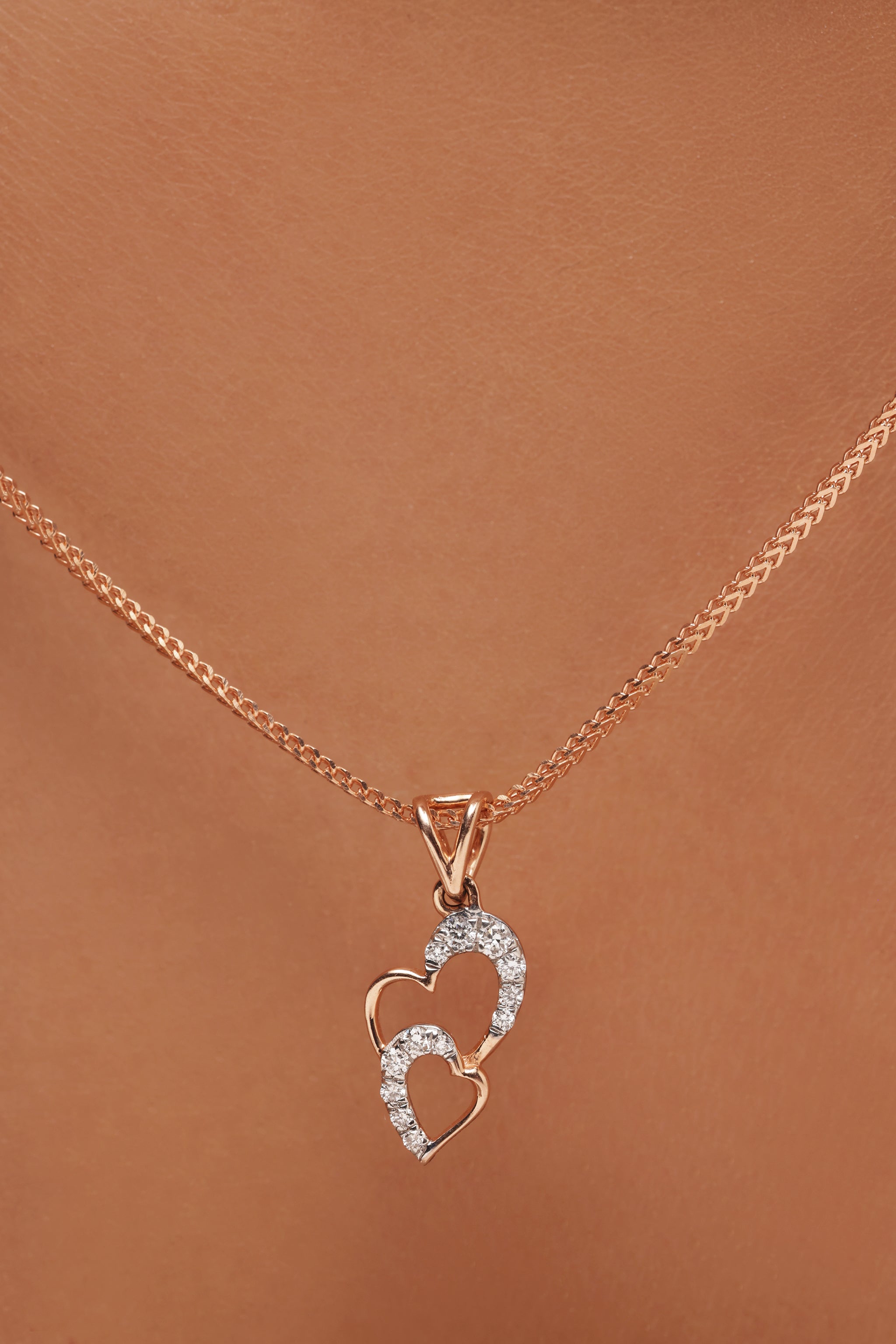

How to Care for Your Lab-Grown Diamond Jewellery: A Complete Care Guide
Lab-grown diamonds mirror natural diamonds in every meaningful way - brilliance, durability, and a perfect 10 on the Mohs hardness scale. But even the hardest gemstone deserves thoughtful care.
Whether it's your everyday diamond studs or a statement engagement ring, simple maintenance ensures your ethical sparkle remains luminous through years of wear.
This lab grown diamond care guide walks you through exactly how to clean, store, and protect your lab-grown diamond jewellery - so it looks as pristine as the day you first wore it, with practical diamond jewellery cleaning tips for every stage.
Why Lab-Grown Diamond Jewellery Still Needs Care
Hardness does not mean invincibility. Daily exposure to skin oils, lotion buildup, perfume, pollution, and humidity gradually creates a film that softens brilliance. Meanwhile, improper storage can cause metal scratches, tarnish (especially in silver), or weakened prongs over time.
Consistent care protects not only the diamond's radiance - but also the integrity of its setting. True luxury is preserved intentionally.
1. Clean Lab-Grown Diamonds the Right Way
🧼 Weekly At-Home Refresh — How to Clean a Diamond Ring at Home
A simple ritual once a week keeps most dullness away. You'll need mild dish soap, warm (not hot) water, a soft toothbrush, and a lint-free or microfiber cloth.
Add a few drops of soap to warm water, soak jewellery for 10-15 minutes, gently brush the diamond and around the setting, then rinse thoroughly and pat dry softly. This removes oil buildup without harming the metal.
What to Avoid
Avoid toothpaste or baking soda - they are abrasive and create micro-scratches on gold or platinum settings. Skip boiling water or steam; adhesives and intricate settings may not tolerate the heat. Never use bleach or ammonia-based cleaners, which erode metal over time and weaken settings. Ultrasonic machines are safe for standalone stones but risky for pavé or delicate vintage-inspired settings - leave those to a professional. And if your design includes pearls or opals, avoid soaking entirely; porous stones absorb moisture and are vulnerable to India's climate fluctuations.
2. Monthly Deep Cleaning for Lasting Brilliance
For pieces worn daily - especially engagement rings - a deeper clean once a month maintains exceptional sparkle. Ultrasonic cleaners can safely remove hidden grime in sturdy settings. However, for delicate pavé designs or high-value heirloom pieces, professional cleaning is the wiser choice.
DIY vs Professional Cleaning: Side-by-Side
| Feature | DIY Cleaning | Professional Cleaning |
| Cost | Free | ₹500-₹2,000 (India avg.) |
| Time | 10-15 minutes | 30-60 minutes + inspection |
| Best For | Surface dirt on studs & chains | Deep grime & ring settings |
| Frequency | Weekly / Bi-weekly | Every 6-12 months |
3. Avoid Harsh Chemicals
Household cleaners, chlorine, hairspray, perfumes, and skincare products gradually weaken settings and dull shine. Best practice: make your jewellery the final step before stepping out - and the first thing you remove when you return. Always remove diamond jewellery before cleaning, swimming, applying lotions or perfumes, and gym sessions.
4. Store Jewellery with Care
Improper storage is one of the most common causes of scratches and tangles. Good storage habits are the simplest way to store diamond jewellery without damage.
Ideal storage includes individual soft pouches, fabric-lined jewellery boxes with compartments, and anti-tarnish strips for silver pieces. Keep pieces from rubbing against one another - especially rings against chains or bangles. Storage is silent protection.
5. Schedule Regular Inspections
Even if your jewellery looks perfect, settings can loosen subtly over time. Inspect every 6-12 months for loose prongs, bent settings, chips or damage, and weak clasps. Professional inspections catch minor issues before they become major repairs.
6. Travel Smart with Diamond Jewellery
Use a compact, padded travel case and keep jewellery in hand luggage - never checked baggage. Avoid wearing high-value pieces during adventure activities or ocean swims.
For destination weddings or monsoon-season travel: wipe jewellery dry before packing, insert fresh silica strips to absorb humidity, and avoid wooden boxes, which absorb ambient moisture rather than blocking it. Sparkle should travel safely - not stressfully.
FAQs: Lab-Grown Diamond Care and Maintenance Tips
Do lab-grown diamonds fade or yellow over time?
No. Lab-grown diamonds maintain their colour and brilliance exactly like natural diamonds - the hardness and chemical structure don't change with age.
Can I use the same cleaners as for natural diamonds?
Yes. Lab-grown and mined diamonds share identical care requirements, since they're chemically and physically the same material.
How often should I clean an engagement ring?
A gentle weekly clean plus a monthly deeper clean maintains ideal brilliance for daily-wear pieces like engagement rings.
Do lab-grown diamonds scratch easily?
No. Lab-grown diamonds score a perfect 10 on the Mohs hardness scale, identical to natural diamonds, and resist scratching under normal daily wear.
Is it safe to shower or swim with lab-grown diamond jewellery?
The diamond itself is unaffected by water, but soap residue and chlorine can dull metal settings over time - removing jewellery before showering or swimming is the simplest way to preserve shine.