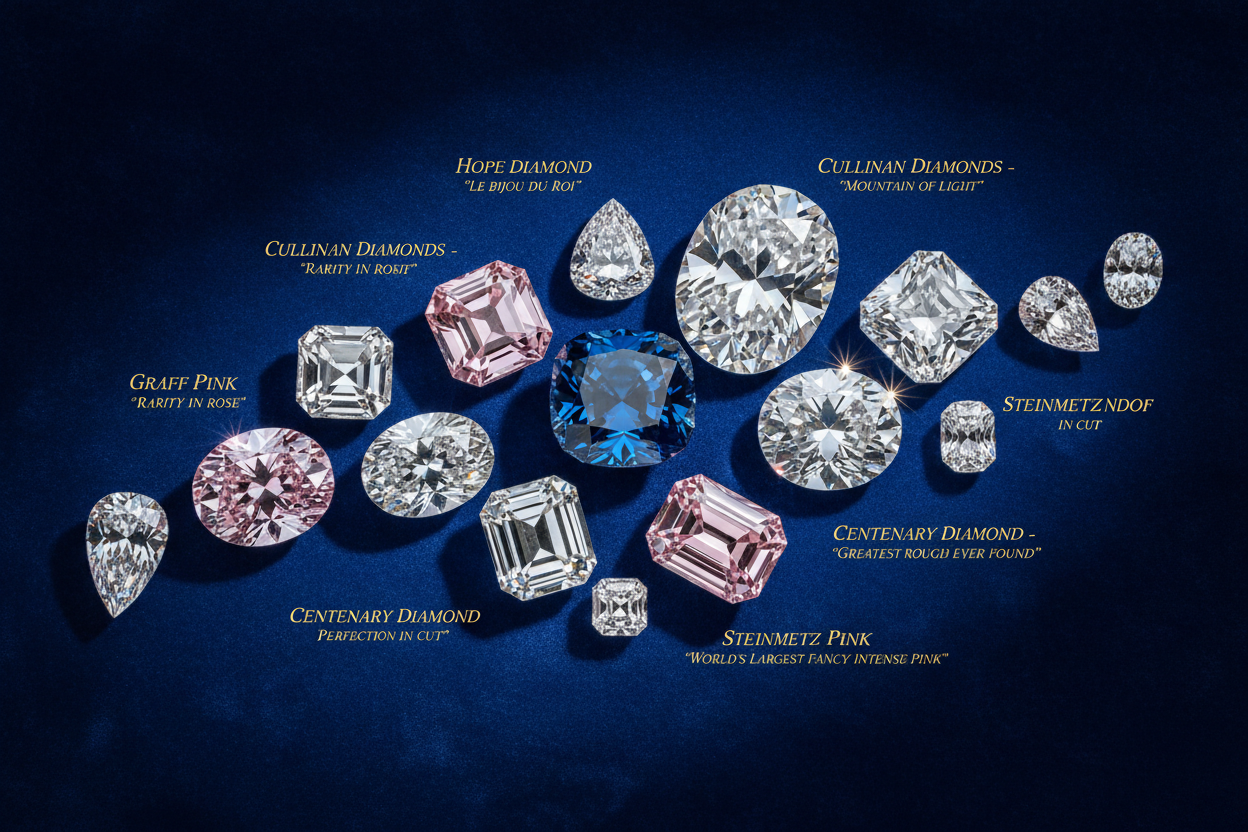
Famous natural diamonds captivate with their legendary stories, immense rarity, and royal histories, from massive rough finds to cursed blue gems. While they symbolize timeless prestige, lab-grown diamonds offer identical brilliance ethically and affordably, as seen in Xazina's collections.
Iconic Natural Diamonds and Stories
These gems carry tales of discovery, empires, and mystery:
- Cullinan Diamond: Largest rough ever at 3,106 carats, found in South Africa (1905); cut into pieces like the Great Star of Africa in British Crown Jewels.
- Hope Diamond: 45.52-carat deep blue with a curse legend, now at the Smithsonian.
- Koh-i-Noor: Ancient "Mountain of Light" from India, over 5,000 years old, in British Crown Jewels.
- Regent Diamond: 140.64-carat Indian beauty with exceptional clarity, worn by Napoleon, in French crown jewels.
What Makes Them Valuable
-
Rarity of size, color, and quality drives astronomical worth, often millions per carat.
- Rich histories-royal ownership, dramatic journeys-add intangible prestige.
- Masterful cutting maximizes fire and scintillation, cementing cultural icon status.
Natural vs Lab-Grown Comparison
|
Feature |
Natural Diamonds |
Lab-Grown Diamonds |
|
Origin |
Earth-mined (billions years) |
Lab-created (CVD/HPHT) |
|
Environmental Impact |
High (mining) |
Minimal, sustainable |
|
Price |
Premium (rarity/history) |
30-60% cheaper |
|
Ethics |
Potential conflicts |
Conflict-free |
|
Properties |
4Cs graded (GIA/IGI) |
Identical, 4Cs graded |
Lab-grown match chemically/optically but skip historical baggage.
Modern Luxury with Xazina
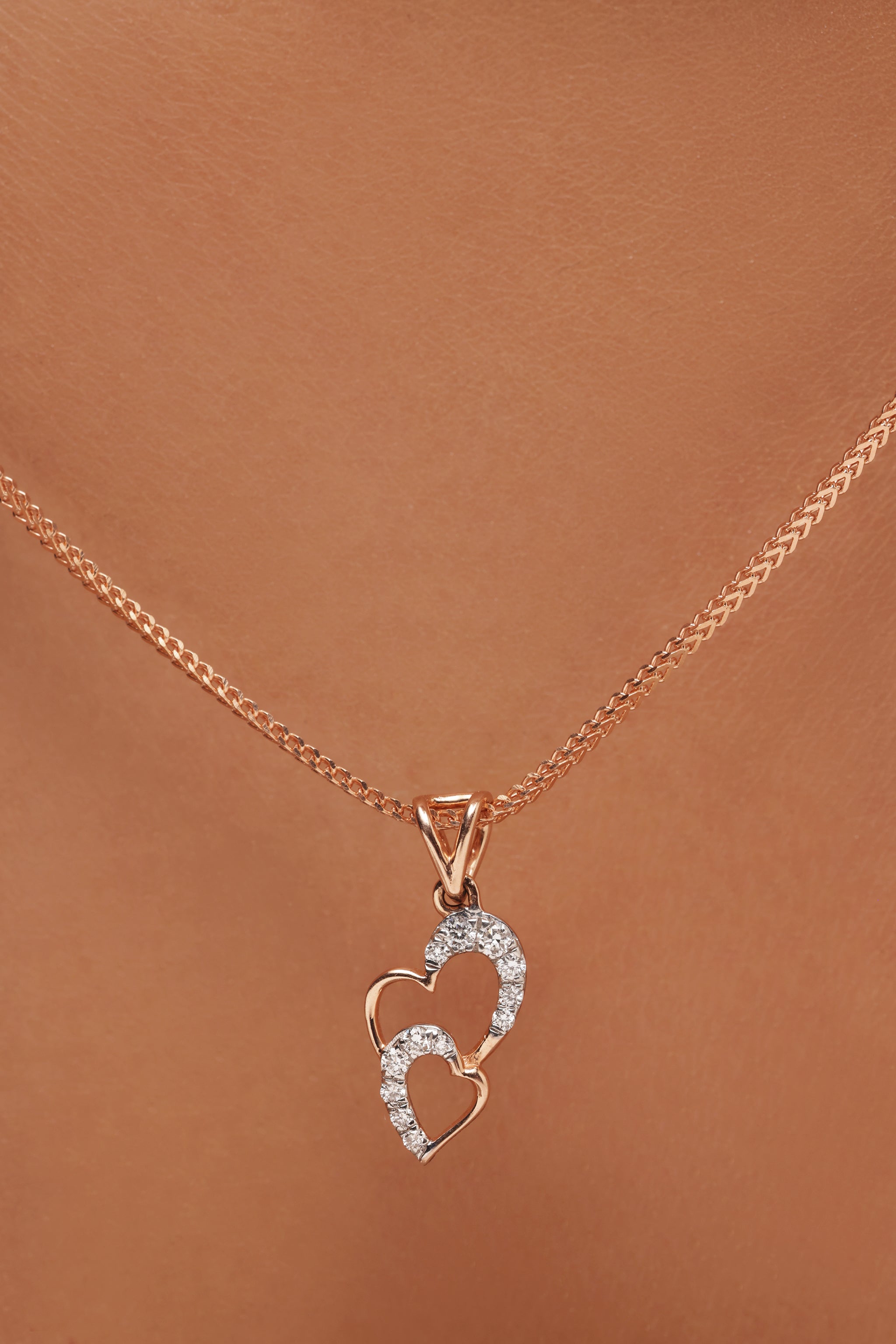
Natural diamonds endure as collector treasures, but lab-grown provide ethical sparkle for everyday or proposals.
Xazina crafts these for conscious style-same fire, no compromise.