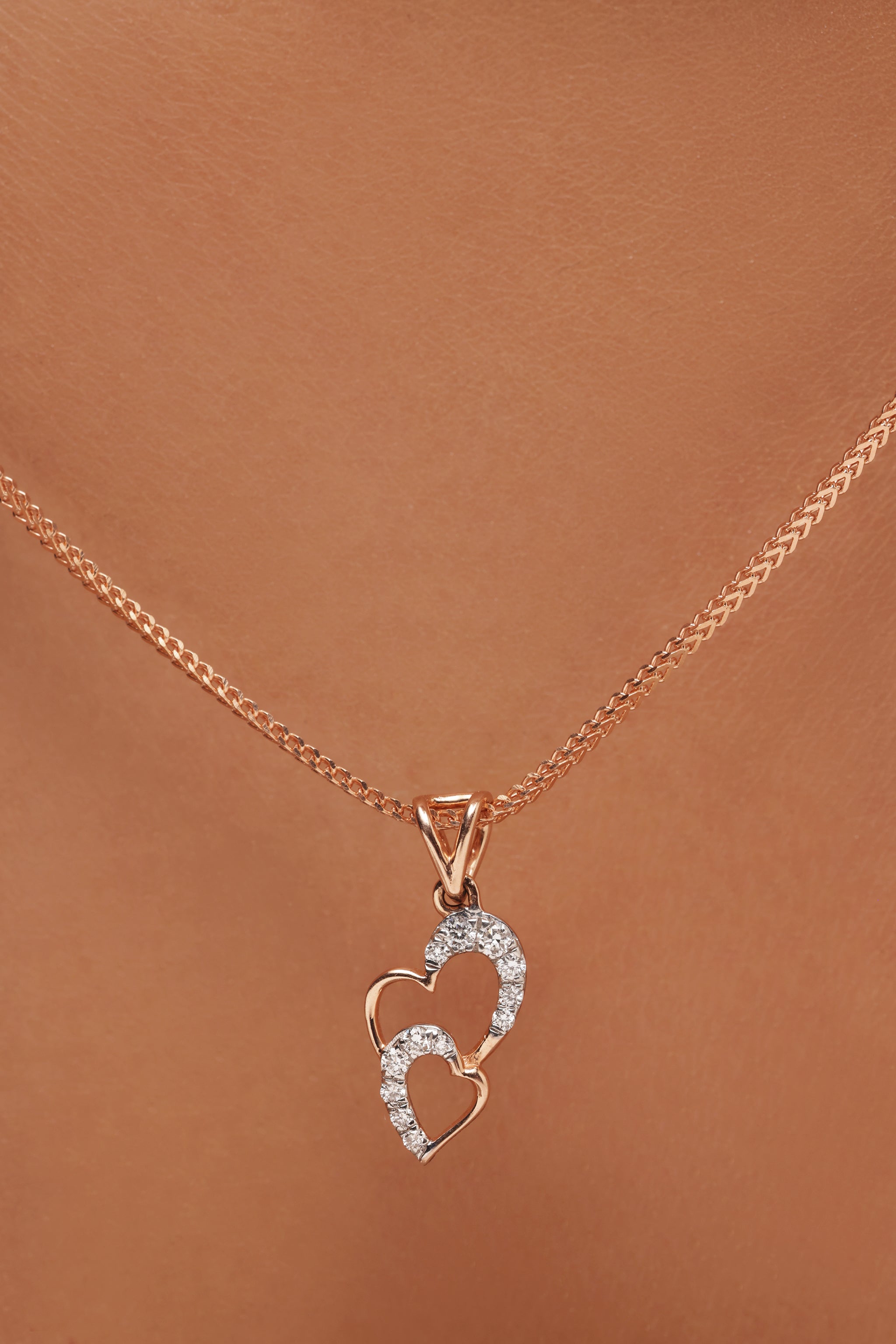
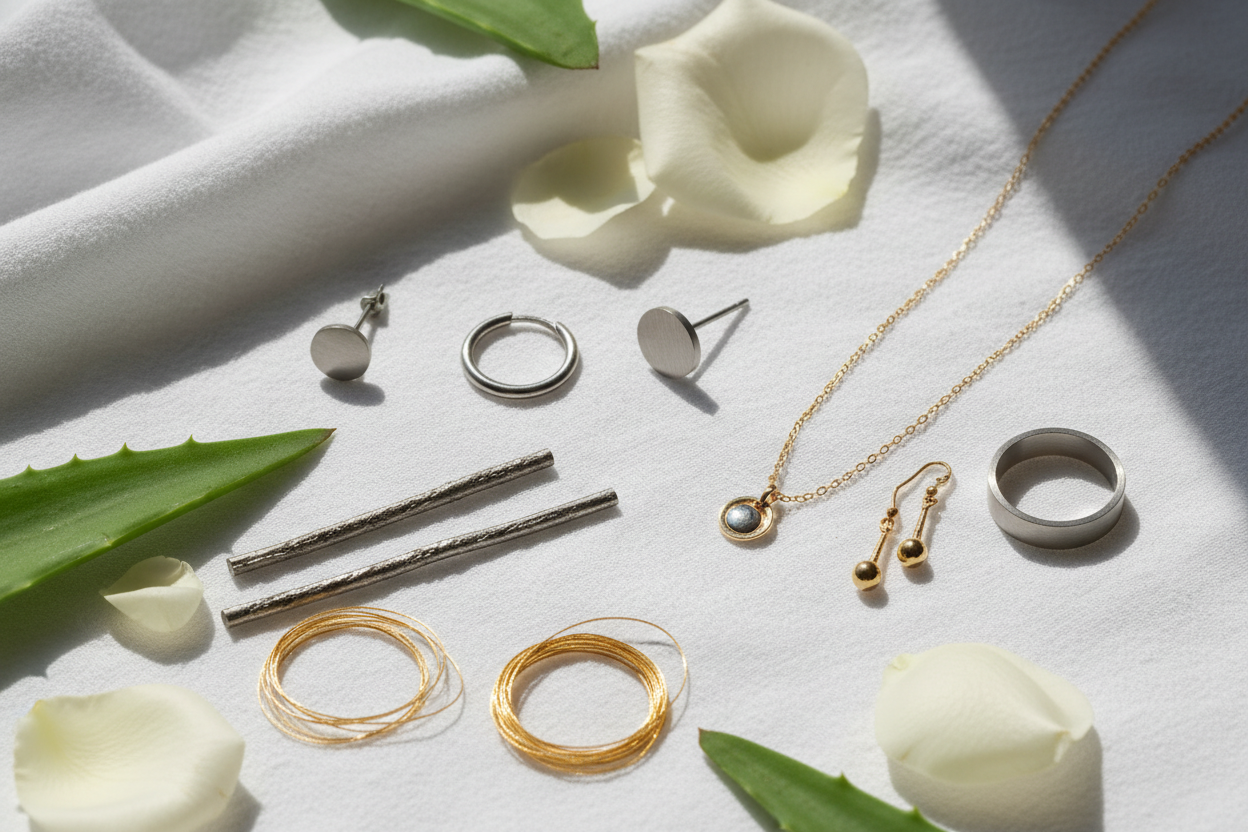
Jewellery allergies affect 1 in 6 people - mostly from nickel hiding in cheap gold and silver alloys. The best hypoallergenic jewelry metals let you wear lab-grown diamond sparkle daily without rash roulette. Platinum, titanium, and 18K+ palladium gold are the winners.
What Nickel-Free Actually Means
Nickel-free does not mean zero nickel. EU regulations allow up to 0.5 micrograms/cm²/week of nickel release before a metal can be legally labelled nickel-free. For severe allergies, you'll want to look beyond the label toward truly nickel-free metals like titanium or platinum.
Red flags to avoid on a label:
- "Gold filled" or "gold plated"
- Unverified "sterling silver"
- "Fashion" or "costume" jewellery
- 10K or 14K gold
- "Hypoallergenic" used as an unregulated marketing claim, with no certification behind it
The Nickel Trap: Why Reactions Happen
Pure gold and pure platinum are safe. It's the alloys mixed in that cause problems - most gold jewellery is only 50-99% gold, with the remainder made up of other metals. Nickel allergy tends to trigger once alloy content passes 10%.
Common culprits:
- 14K gold - only 58% gold, 42% other metals
- White gold - often a nickel alloy hidden under rhodium plating
- Sterling silver - cheap imports sometimes substitute nickel for copper
- Gold-plated - almost always has a nickel base underneath
Jewellery Allergy Symptoms
Reactions typically appear 12-48 hours after contact, and range from mild to severe:
| Mild | Moderate | Severe |
| Redness | Itchy rash | Blisters |
| Itching | Dry patches | Weeping skin |
| Warmth | Eczema-like scaling | Crusting |
Reactions most often appear at the earlobe (earrings), ring finger, necklace clasp, or bracelet wrist - wherever metal sits directly against skin the longest.
Immediate Treatment Steps
- Remove the jewellery immediately
- Wash the area with fragrance-free soap and cool water
- Apply an over-the-counter 1% hydrocortisone cream
- Moisturise with a ceramide-based lotion
- Use a cold compress if the area is swollen
See a dermatologist if you notice blisters, a spreading rash, fever, or pus.
Top 7 Hypoallergenic Metals, Ranked
| Rank | Metal | Nickel Risk | Cost | Best For |
| 1 | Platinum | Zero | ₹₹₹₹ | Wedding bands, eternity rings |
| 2 | Titanium | Zero | ₹₹ | Daily hoops, piercings |
| 3 | 18K Yellow Gold | <1% | ₹₹₹ | Heirlooms, investment pieces |
| 4 | Niobium | Zero | ₹₹ | Coloured metal pieces |
| 5 | 316L Surgical Steel | Near-zero | ₹ | Budget-friendly luxury |
| 6 | Palladium White Gold | <1% | ₹₹₹ | White gold lovers |
| 7 | Argentium Silver | Zero | ₹ | Tarnish-resistant silver |
The White Gold Warning
Roughly 99% of "white gold" jewellery contains nickel. Watch for the tell: shiny white means fresh rhodium plating (lasts 6-12 months), a yellowish tint means the plating is thinning, and a grey rash means nickel is now exposed directly to skin.
Genuinely safe white gold uses a palladium alloy only - it has a slightly greyer tone and typically costs about twice as much, but skips the nickel risk entirely.
Gold Karat Safety Guide
- 24K - 99.9% gold, perfectly safe, but too soft for daily wear
- 22K - 91.6% gold, excellent, the Indian wedding jewellery standard
- 18K - 75% gold, the industry standard for durable daily wear
- 14K - 58% gold, carries real alloy risk
- 10K - 41% gold, best avoided for sensitive skin
Simple rule: 18K and above is safe. Below that, proceed carefully.
Xazina's Sensitive Skin Collection
Platinum with lab-grown diamonds: eternity bands in bezel settings, wedding sets that never need re-plating.
Titanium everyday pieces: anodized hoops with permanent colour, featherweight chains.
18K palladium gold: stackable pieces safe to mix and match, nameplate pendants.
Every piece is stamped and tested nickel-free.
Quick Shopping Checklist
Look for "18K+ solid gold" stamped inside the band, "Platinum 950" (never plated), or "Titanium Grade 23/5" (implant-grade). Always ask directly: "Is this nickel-free certified?" Check the return policy allows 30+ days for a skin test. Be cautious of listings that simply say "hypoallergenic," "14K filled," or "plated" with no further detail.
Sterling Silver: The Reality
Genuine sterling silver (92.5% silver + 7.5% copper) is safe for most sensitive skin. The risk comes from cheap imports that substitute nickel for copper.
Spot the difference: genuine sterling is noticeably heavy for its size, tarnishes evenly to a brown (not green) tone, and should come from a reputable jeweller.
The Fastest Way to Test a Reaction
Day 1: wear the new piece, no visible rash yet. Day 2: a red line appears exactly where metal touched skin - this points to nickel. Day 3: itching and rash progress if the piece stays on. Day 4: remove it, and if the rash clears within 48 hours, that confirms a metal allergy.
FAQs: Hypoallergenic Jewellery and Metal Allergies
Is sterling silver safe if I have sensitive skin?
Genuine 925 sterling silver is safe for most people. Problems usually come from cheap imports substituting nickel for copper - buy from a reputable source and check the "925" stamp.
Can I wear white gold if I have a nickel allergy?
Only if it's made with a palladium alloy rather than a nickel alloy. Standard white gold is one of the most common causes of jewellery allergies.
Are lab-grown diamonds themselves ever the cause of a reaction?
No. Diamonds never cause allergic reactions - any irritation always comes from the metal setting, never the stone itself.
Safe metals mean sparkle without sacrifice. Platinum, titanium, and 18K palladium gold paired with lab-grown diamonds deliver daily luxury that loves your skin back - never compromise comfort for beauty.