What Makes a Diamond the Most Expensive in the World?

When people ask what is the most expensive diamond in the world is, they usually expect a single name. But the reality is more nuanced. A diamond doesn’t become the most valuable diamond in the world because of just one factor. It’s a combination of rarity, quality, and story. Here’s what actually drives those record-breaking prices.
Carat Weight: Bigger Isn’t Enough, But It Matters
Size is the first thing people notice. Larger diamonds are naturally rarer, which is why high-carat stones often dominate the list of the most expensive diamonds in the world category. But here’s the catch: a big diamond with poor clarity or dull color won’t command a top price. Carat weight only becomes valuable when the other qualities are equally strong. A flawless 50-carat diamond will always outperform a flawed 100-carat stone in value.
Color: The Real Game-Changer
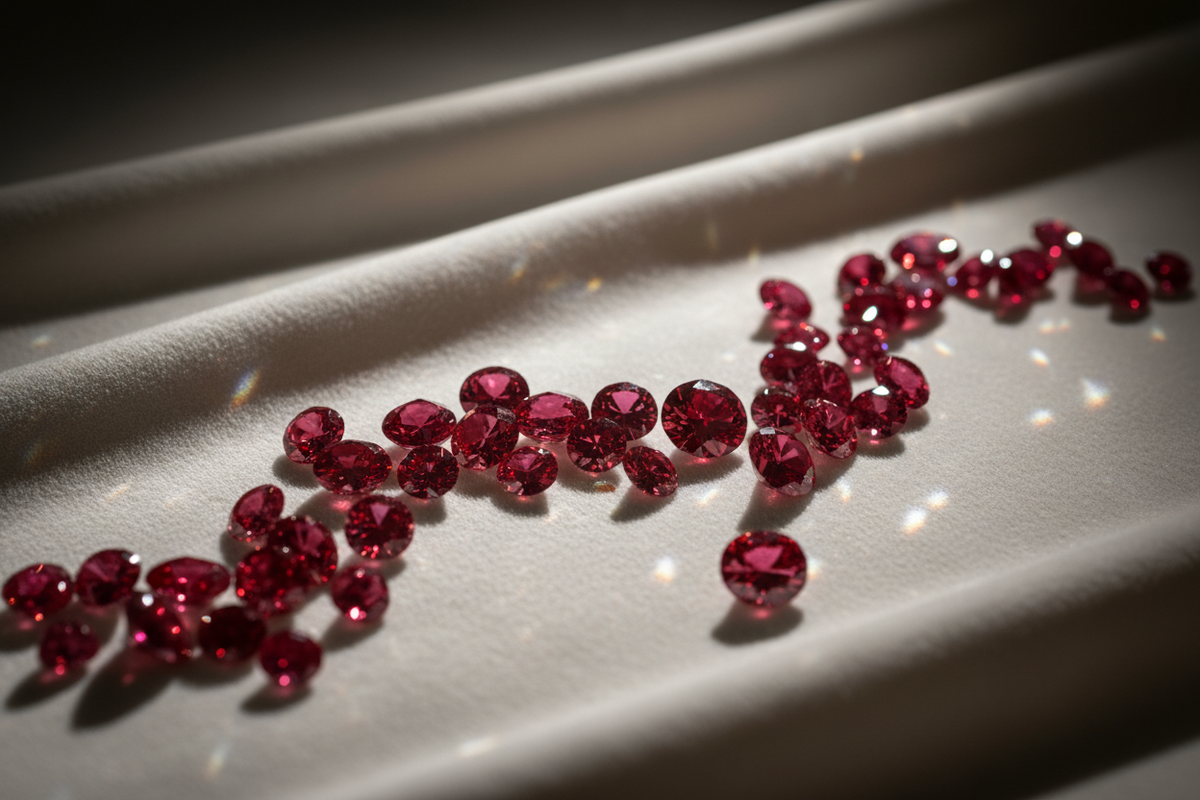
Most people think colorless diamonds are the most valuable, but in reality, fancy-colored diamonds often take the top spot. Pink, blue, and red diamonds are incredibly rare, and rarity drives price.
For example, vivid pink and deep blue diamonds have sold for record-breaking prices because they’re nearly impossible to find in nature. That’s why many of the contenders for the most valuable diamond in the world are not white, but intensely colored.
Clarity: Flawless Means Priceless
Clarity refers to how free a diamond is from internal inclusions or external blemishes. The fewer imperfections, the higher the value. At the top end of the market, buyers expect near-perfect clarity.
A diamond that is internally flawless becomes extremely rare, especially as the size increases. Combine high clarity with large carat weight and rare color, and you’re looking at a serious contender for the most expensive diamond in the world title.
Cut: Where Beauty Meets Precision

Cut is often underestimated, but it directly impacts how a diamond reflects light. Even a high-carat, high-clarity diamond can look lifeless if it’s poorly cut.
An excellent cut maximizes brilliance and fire, making the diamond visually stunning. This is critical because buyers paying millions aren’t just buying rarity, they’re buying visual perfection.
Historical Significance: The Hidden Multiplier
This is where things get interesting. Some diamonds are valuable not just because of their physical properties, but because of their history.
A diamond owned by royalty or linked to a famous event can dramatically increase in value. In fact, historical importance can push a stone beyond what its technical qualities alone would justify. That’s why certain diamonds are considered the most valuable diamonds in the world, even if they aren’t the largest or the most flawless.
The Reality Check
If you’re trying to figure out what the most valuable diamond in the world is, stop looking for a single rule. There isn’t one. The highest-priced diamonds sit at the intersection of all these factors: size, rare color, exceptional clarity, perfect cut, and often a story that no other stone can replicate.
Miss one of these, and the value drops. Hit all of them, and you’re looking at a diamond that can break records.
Which Diamond Is the Most Expensive Ever Sold?
If you're trying to answer which diamond is most expensive, you need to separate hype from actual auction records. The title of the costliest diamond in the world (in terms of confirmed sale price) isn’t based on legends or royal history; it’s based on hard numbers from auctions. Here are the diamonds that have actually defined what a world costly diamond looks like.
The Pink Star Diamond – The True Record Holder
The Pink Star Diamond holds the official record as the most expensive diamond ever sold at auction. It was sold for around $71.2 million, and there’s a reason it dominates this list.
- Weight: 59.60 carats
- Color: Fancy Vivid Pink
- Clarity: Internally flawless
Here’s the reality: pink diamonds of this size and purity are almost nonexistent. This wasn’t just a big diamond, it was a statistical anomaly. That’s why, when people ask what is the most expensive diamond in the world, this is the most accurate answer based on actual sales data.
The Oppenheimer Blue – The Blue Diamond Benchmark
Before the Pink Star took over, the Oppenheimer Blue Diamond set the benchmark for blue diamonds.
- Price: ~$57.5 million
- Weight: 14.62 carats
- Color: Fancy Vivid Blue
Now here’s where people get it wrong: this diamond is much smaller than the Pink Star, yet still insanely valuable. Why? Vivid blue diamonds are rarer than most other types.
So if you’re judging purely by rarity per carat, this could still be argued as one of the most valuable diamonds in the world, even if it’s not the highest total sale.
The Hope Diamond – Priceless, But Not Auctioned
The Hope Diamond complicates the conversation.
- Weight: 45.52 carats
- Color: Deep blue
- Estimated Value: $200–250 million (not officially sold)
Here’s the truth: the Hope Diamond is often called the costliest diamond in the world, but that’s technically misleading. It hasn’t been sold in a modern auction, so its value is estimated, not proven.
What makes it special isn’t just the diamond itself, it’s the story. Centuries of history, ownership by royalty, and its “cursed” reputation make it culturally priceless. If it were ever sold, it could easily become the world costly diamond by a huge margin.
So, Which Diamond Is Actually the Most Expensive?
Let’s be direct:
- By confirmed sale price: Pink Star Diamond
- By rarity and prestige: Oppenheimer Blue competes strongly
- By estimated historical value: Hope Diamond could surpass all
If you're looking for a clear answer to which diamond is most expensive, the Pink Star wins. But if you’re looking at the bigger picture of value, rarity, and legacy, the conversation isn’t that simple.
Top 7 Most Expensive Diamonds in the World
If you’re searching for the costliest diamond or trying to identify the most valuable diamond in the world, this list gives you a clear, no-nonsense breakdown. These diamonds aren’t just expensive, they’re rare, historically significant, and in some cases, completely unmatched.
1. Pink Star Diamond

Price: ~$71.2 million
Unique Feature: Largest internally flawless fancy vivid pink diamond ever sold
This is the benchmark. If someone asks for the costliest diamond in the world, this is the most accurate auction-based answer.
2. Cullinan Diamond

Price: Priceless (estimated over $400 million for all parts)
Unique Feature: Largest rough diamond ever discovered (3,106 carats)
The Cullinan wasn’t sold as a single stone. It was cut into multiple gems, including the Great Star of Africa. In terms of historical and material value, it easily qualifies as one of the most valuable diamonds in the world.
3. Koh-i-Noor Diamond

Price: Priceless (no official sale value)
Unique Feature: One of the most famous and controversial diamonds in history
You can’t assign a real price to the Koh-i-Noor because it has never been sold in a modern market. Its value comes from centuries of history, making it one of the most valuable diamonds in the world beyond just money.
4. Hope Diamond

Price: Estimated $200–250 million
Unique Feature: Rare deep blue color with legendary “curse” history
Technically not auctioned in modern times, but its estimated value puts it in the top tier of any world costly diamond discussion.
5. Blue Moon Diamond

Price: ~$48.4 million
Unique Feature: Exceptional vivid blue color with flawless clarity
This diamond set a record for price per carat, which is often a more important metric than total price when judging the costliest diamond category.
6. Graff Pink Diamond

Price: ~$46 million
Unique Feature: Intense pink color with historic ownership
Pink diamonds dominate the high-value space, and this one proved that even slightly smaller stones can still rank among the most valuable diamonds in the world.
7. Regent Diamond

Price: Estimated over $60 million
Unique Feature: Flawless white diamond with royal French history
Unlike many modern auction diamonds, the Regent’s value is deeply tied to its association with French royalty and historical events.
Final Takeaway
If you’re expecting one clear winner for the costliest diamond, the Pink Star leads in auction price. But if you factor in history, rarity, and cultural significance, multiple stones compete for the title of the most valuable diamond in the world.
That’s the key mistake most people make, they think value is just about price. In reality, it’s a mix of rarity, story, and market demand.
Are Lab-Grown Diamonds Valuable Too?
Short answer: yes, but not in the same way as natural diamonds. If you’re comparing them purely on resale or rarity, lab-grown diamonds don’t compete. But if you’re looking at real-world use, design, and value for money, they make a strong case.
Natural vs Lab-Grown: What’s the Actual Difference?
Chemically and visually, lab-grown diamonds are identical to natural ones. Same sparkle, same hardness, same structure. The difference is origin.
- Natural diamonds take billions of years to form and are limited in supply
- Lab-grown diamonds are created in controlled environments within weeks
That difference in rarity is exactly why natural stones dominate the “most valuable diamond in the world” conversation. Lab-grown diamonds aren’t rare, so they don’t appreciate in value the same way.
Affordability vs Rarity: Where Lab-Grown Wins
Here’s where you need to be practical. Most people are not buying diamonds as museum pieces or auction assets. They’re buying for wear.
Lab-grown diamonds typically cost 60–80% less than natural diamonds of similar quality. That means:
- You can afford a bigger stone
- You can prioritize better clarity and cut
- You don’t compromise on appearance
So while they may never be the costliest diamond, they offer something more relevant to most buyers: accessibility.
Everyday Luxury: The Real Advantage
This is where lab-grown diamonds actually make more sense than natural ones.
Spending millions on a rare diamond is a status move. But wearing diamonds daily? That’s a lifestyle choice. Lab-grown diamonds fit that perfectly.
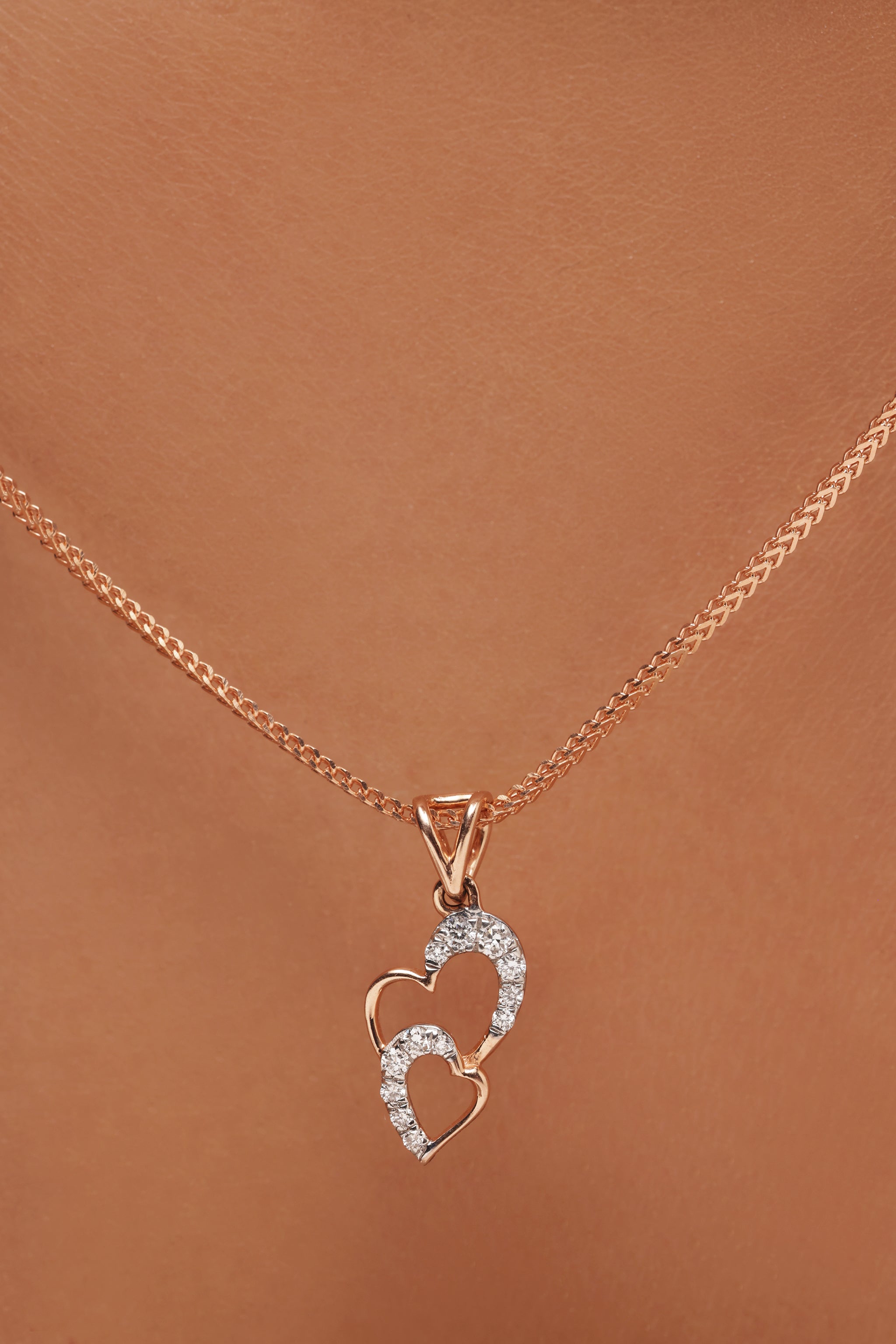
For modern buyers looking for elegance without extreme pricing, a lab grown diamond necklace offers a smart alternative. You get the same visual brilliance without tying up a huge budget in a single piece.
Similarly, a lab grown tennis bracelet delivers the kind of shine and consistency that works for both daily wear and occasions, without the stress of wearing something overly expensive.
The Honest Take
If your goal is investment or rarity, lab-grown diamonds are not the answer. Their supply can increase, which limits long-term price growth.
But if your goal is to actually wear and enjoy your jewellery, they’re hard to beat. You’re getting the look and feel of high-end diamonds, without paying for geological scarcity that doesn’t really impact your day-to-day experience.
How to Choose Diamond Jewellery Inspired by the World’s Most Valuable Diamonds?
Looking at the most valuable diamond in the world is exciting, but copying that exact level of rarity or price isn’t realistic. What you can do is borrow the design principles behind those diamonds and apply them smartly to your own jewellery choices.
Focus on Timeless Styles, Not Trends
The biggest mistake people make is chasing trends. The diamonds that become the costliest diamond aren’t trendy, they’re timeless.
What actually works:
- Solitaire settings
- Clean cuts (round, oval, emerald)
- Minimal metal distraction
These designs don’t age. That’s exactly why high-value diamonds are usually set in simple, classic styles. The focus stays on the stone, not the design noise.
Daily Wear vs Statement Pieces
You need to be honest about how you’ll actually use your jewellery.
- Daily wear: Go for lightweight, versatile pieces that you won’t hesitate to wear regularly
- Statement pieces: Bigger, bolder designs meant for occasions, not everyday use
Trying to turn a statement piece into daily wear usually backfires. It either feels impractical or just sits in your locker.
If you want subtle luxury, explore diamond earrings for everyday wear that balance elegance and comfort. They give you that polished look without feeling overdone.
Budget-Friendly Luxury: Think Smart, Not Cheap
There’s a difference between cutting costs and making smart choices.
You don’t need the most valuable diamond in the world to achieve a premium look. What you need is:
- Good cut quality (this impacts sparkle the most)
- Balanced size (not oversized just for show)
- Clean, wearable design
That combination gives you the feel of luxury without wasting money on factors that don’t improve how the piece actually looks when worn.
For a classic high-value look, solitaire diamond jewellery remains the closest inspiration to the world’s most expensive diamonds. It’s simple, focused, and always relevant.
The Straight Truth
Most people get distracted by size and price tags. That’s not how high-value jewellery works. The diamonds that become iconic aren’t loud, they’re precise, rare, and well-presented.
If you apply that mindset, even a modest budget can give you jewellery that looks refined instead of forced.
Final Thoughts: The True Value of Diamonds
When people search for the most expensive diamond in the world, what they’re really chasing isn’t just a number, it’s the idea of ultimate rarity and perfection. But here’s the reality: price alone doesn’t define value.
Emotional Value vs Investment Value
Diamonds sit in a unique space. On one side, they can be assets, rare stones that appreciate over time and become part of elite collections. On the other, they’re deeply personal. Engagement rings, gifts, milestones, these carry emotional weight that no auction price can measure.
The most valuable diamond in the world might sit in a museum or private vault, but for most people, the diamond they wear daily holds far more meaning.
Rarity vs Accessibility
Natural diamonds dominate the conversation around rarity. That’s why record-breaking stones command massive prices, they are limited, unpredictable, and impossible to replicate naturally.
But accessibility is changing the game. Today, buyers have more options than ever. You don’t need access to the most expensive diamond in the world to own something beautiful, well-crafted, and meaningful. The market has shifted from exclusivity-only to a balance between luxury and practicality.
How Modern Buyers Define “Valuable”
This is where the biggest shift is happening. Value is no longer just about scarcity or price tags.
Modern buyers are asking:
- Does it fit my lifestyle?
- Can I wear it regularly?
- Is it worth what I’m paying for how I’ll use it?
That’s a smarter approach. Instead of chasing the most valuable diamond in the world, people are choosing pieces that deliver both aesthetic appeal and real usability.
The Bottom Line
The diamonds that break records will always exist, and they’ll always grab attention. But they don’t define what’s valuable for everyone.
True value today sits somewhere in between: a balance of beauty, meaning, and practicality. Whether it’s a rare collector’s stone or a piece you wear every day, what matters is how well it fits into your life, not just how much it’s worth on paper.