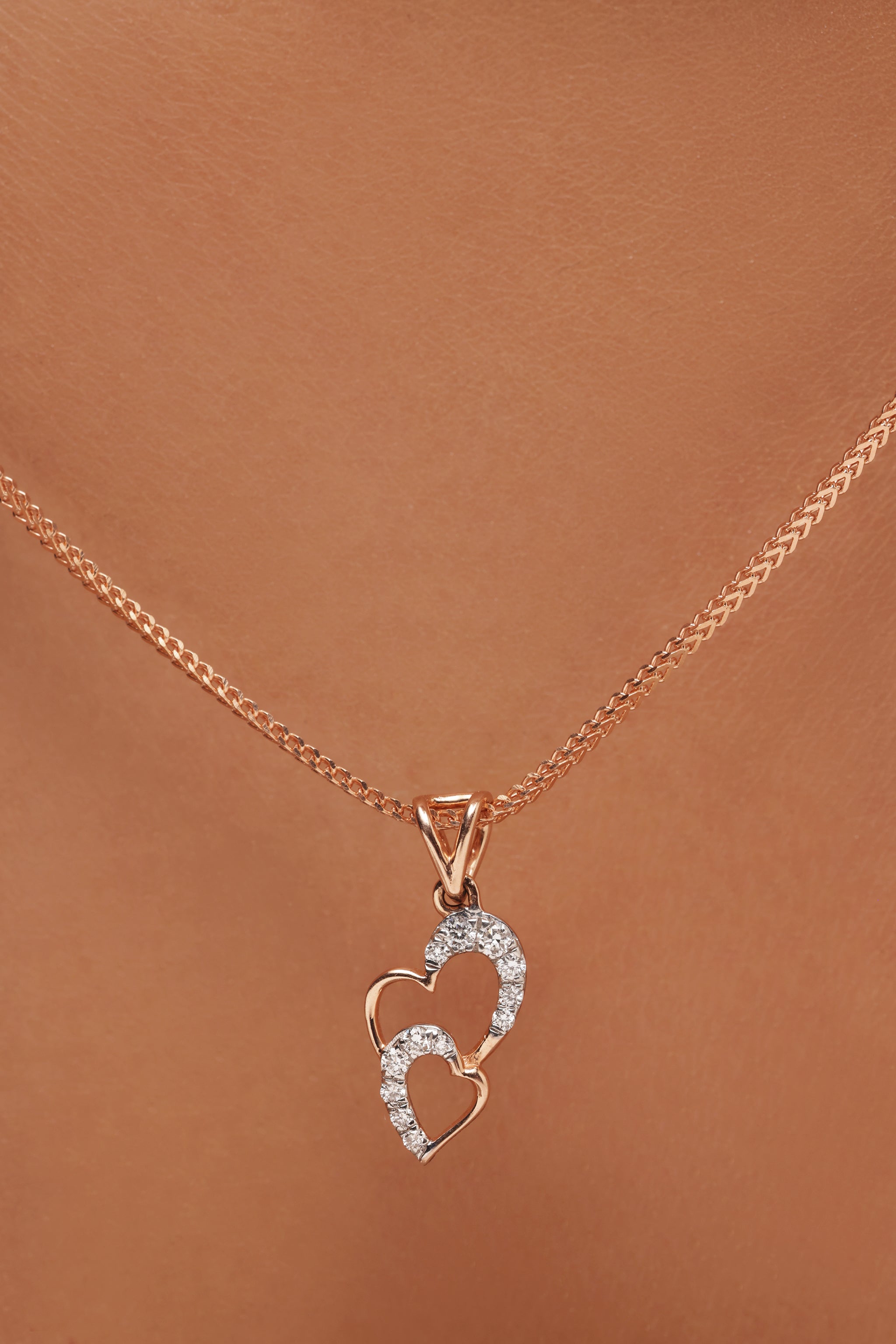
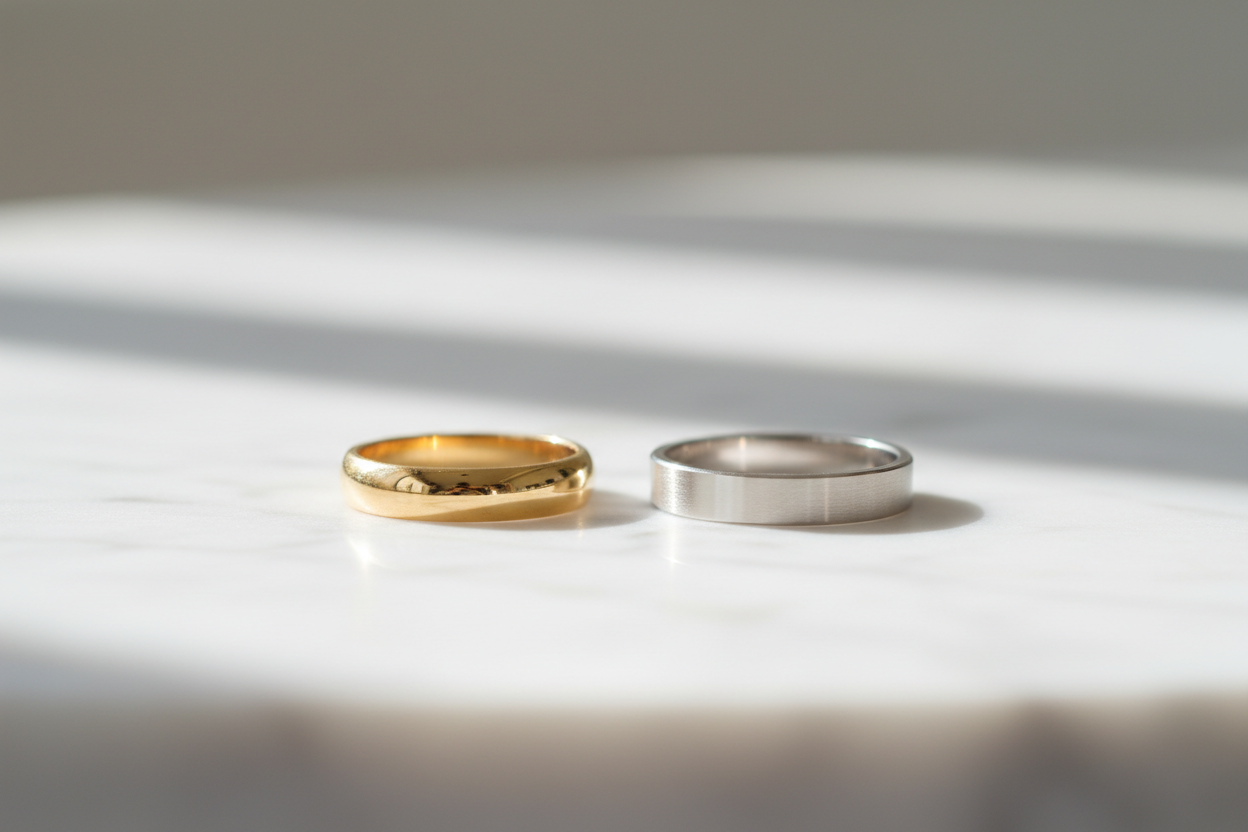
Gold jewellery has always been associated with luxury, elegance, and timeless beauty. But when people explore modern jewellery collections, they often come across white gold and start asking questions like “is white gold real gold?” or “is white gold real?” Many buyers also wonder what is the difference between white and yellow gold before deciding which one to purchase.
If you are confused about white gold, you are not alone. Understanding how white gold is made, how it compares to yellow gold, and whether it is genuine gold can help you make smarter jewellery choices.
Is White Gold Real Gold?
The short answer is yes. White gold is real gold.
However, it is not pure gold in its natural form. Pure gold has a bright yellow colour and is very soft, which makes it unsuitable for most jewellery. To make gold stronger and suitable for daily wear, it is mixed with other metals. These mixtures are called alloys.
In the case of white gold, pure gold is mixed with white metals such as:
Palladium
Nickel
Silver
Zinc
These metals change the colour of gold from yellow to a lighter, silvery shade. After this process, the jewellery is usually coated with rhodium, a rare metal that gives white gold its bright white shine and extra durability.
So when someone asks “is white gold real gold?”, the correct answer is yes. It still contains genuine gold, just mixed with other metals to change its appearance and strength.
Is White Gold Real or Just Plated?
Another common question people ask is “is white gold real or simply plated metal?”
White gold itself is real gold, but the final bright white finish usually comes from rhodium plating. This plating sits on top of the white gold to give it a mirror-like shine.
Over time, this coating can wear off slightly with daily use. When that happens, the jewellery may look a bit warmer in tone. Fortunately, jewellers can easily restore the shine by reapplying rhodium plating.
So if you are wondering “is white gold real?”, the answer remains yes. The rhodium plating is simply a finishing layer, not the base metal.
What Is the Difference Between White and Yellow Gold?
To fully understand white gold, it helps to answer the common question: what is the difference between white and yellow gold?
Both metals contain real gold, but their composition and appearance differ.
1. Colour
The most obvious difference is colour.
Yellow gold has the classic warm golden colour that people have loved for centuries.
White gold has a cool, silvery-white tone that looks similar to platinum.
This difference happens because of the metals mixed with the gold.
2. Alloy Composition
Yellow gold is usually mixed with metals like copper and zinc to maintain its traditional colour.
White gold, on the other hand, is mixed with metals such as palladium or nickel to create the lighter colour.
This alloy combination is the main reason people ask what is the difference between white and yellow gold.
3. Durability
White gold is often slightly stronger than yellow gold because of the metals used in its alloy.
The rhodium plating also adds an extra protective layer, making it more resistant to scratches.
Yellow gold can be softer depending on its purity level, but it still remains durable enough for most jewellery pieces.
4. Maintenance
White gold requires occasional rhodium replating to maintain its bright white shine.
Yellow gold does not require plating, so it usually needs less maintenance. However, it can scratch more easily over time.
5. Style and Aesthetic
White gold has become extremely popular in modern jewellery designs because it complements diamonds beautifully. Its neutral colour allows gemstones to stand out more clearly.
For example, many people prefer white gold settings for pieces like solitaire diamond jewellery because the metal enhances the sparkle of the diamond without adding a warm tint.
Why White Gold Is Popular in Modern Jewellery
White gold has grown in popularity because it offers a contemporary and elegant look while still containing real gold.
Many people choose white gold for:
Engagement rings
Wedding bands
Diamond necklaces
Everyday jewellery
It also pairs beautifully with diamonds and modern jewellery designs. For example, a lab grown diamond necklace set in white gold creates a sophisticated and minimal look that works for both formal occasions and daily wear.
White Gold vs Yellow Gold for Diamond Jewellery
Another reason buyers ask what is the difference between white and yellow gold is when selecting diamond jewellery.
White gold is often preferred for diamond settings because its neutral tone enhances the brilliance of the stone. The metal reflects light in a way that makes diamonds appear brighter and more colourless.
Yellow gold, however, creates a warm contrast with diamonds and can give jewellery a vintage or classic feel.
For example, a lab grown tennis bracelet set in white gold offers a sleek and contemporary style that many modern buyers love.
Which Gold Is Better for Everyday Wear?
Choosing between white and yellow gold often comes down to personal style and lifestyle.
White gold is a great choice for people who prefer modern jewellery and want a metal that complements diamonds well. It also pairs nicely with other silver-toned metals like platinum and silver.
Yellow gold is perfect for those who prefer traditional jewellery styles and warmer tones.
For everyday accessories, pieces like diamond earrings for everyday wear look elegant in both white and yellow gold settings.
Gold Purity: Does It Matter?
When deciding between white and yellow gold, purity also plays an important role.
Gold purity is measured in karats:
24K – Pure gold
22K – Mostly gold with small alloy mix
18K – 75% gold
14K – 58.3% gold
Both white and yellow gold can be made in different karat levels. The colour does not determine purity. Instead, the alloy composition affects the final appearance.
This means that 18K white gold and 18K yellow gold contain the same amount of pure gold.
Is White Gold Worth Buying?
If you are still asking “is white gold real gold?”, the answer remains yes. White gold is genuine gold combined with other metals to create a stylish and durable jewellery material.
It offers several benefits:
Modern appearance
Excellent durability
Perfect pairing with diamonds
Versatile style for everyday jewellery
Because of these advantages, white gold has become one of the most popular metals for contemporary jewellery designs.
Final Thoughts
Understanding the answer to “is white gold real gold” helps clear up one of the biggest misconceptions in jewellery. White gold is absolutely real gold. It simply contains additional metals that give it a white appearance and improved durability.
When comparing white and yellow gold, the key differences lie in colour, alloy composition, and maintenance. Both metals contain genuine gold and offer their own unique style.
If you are deciding between the two, consider your personal style, how often you wear jewellery, and whether you prefer a modern or classic look.
Whether you choose white gold or yellow gold, both options can create timeless pieces that you will treasure for years to come.